The National
Firearms Act.
In 1934, Congress put a tax on machine guns and other weapons associated with violent crime. The law it passed has been amended, challenged, and argued over ever since.
October 2026
Congress cut several NFA taxes to $0. A court ruling and new ATF guidance have since changed enforcement of registration and approval requirements for those firearms.
Read the current status ↗What does the NFA regulate?
The NFA is the federal tax-and-registration law for a defined group of items: machine guns, silencers, short-barreled rifles and shotguns, destructive devices, and certain other weapons. Its rules sit alongside the broader Gun Control Act and state laws.
Those categories and requirements have changed since 1934. The latest tax and enforcement changes arrived in 2025–2026.
Understand the law in a few minutes ↗How the law changed
Begin with Prohibition, or choose a period to see what Congress changed and how the courts responded.
Prohibition and the road to 1934
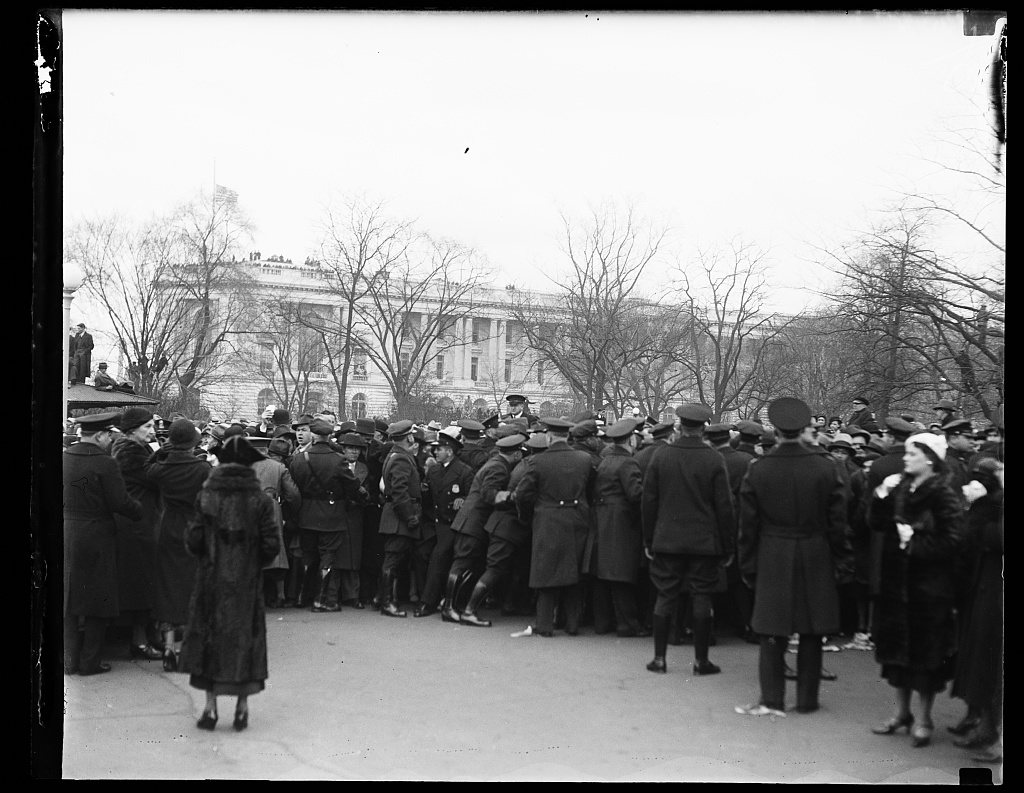
Before Congress could restrict the weapons associated with gang violence, it had to decide what part of fighting crime belonged to Washington.
Congress builds the NFA
The argument over the NFA was about more than a tax rate. Congress debated which weapons to cover, how owners would comply, and how far federal authority could reach.
Registration faces a constitutional challenge
A prosecution in Texas exposed a flaw in the registration system. Congress’s answer changed the NFA while the Gun Control Act reshaped the wider firearms trade.
The 1986 machine gun cutoff
Congress closes the civilian machine gun market to new stock. Courts settle disputes over the NFA’s reach, while background checks become part of federal law.
The courts reconsider gun rights
Heller and Bruen change the constitutional debate. At the same time, ATF moves applications online and faces challenges to its own rules.
The tax cuts and the lawsuits
Congress sets making and transfer taxes at zero for most NFA categories. A Texas court ruling follows, then ATF changes its enforcement policy nationwide. Checked October 20, 2026.
Why the NFA kept
returning to court
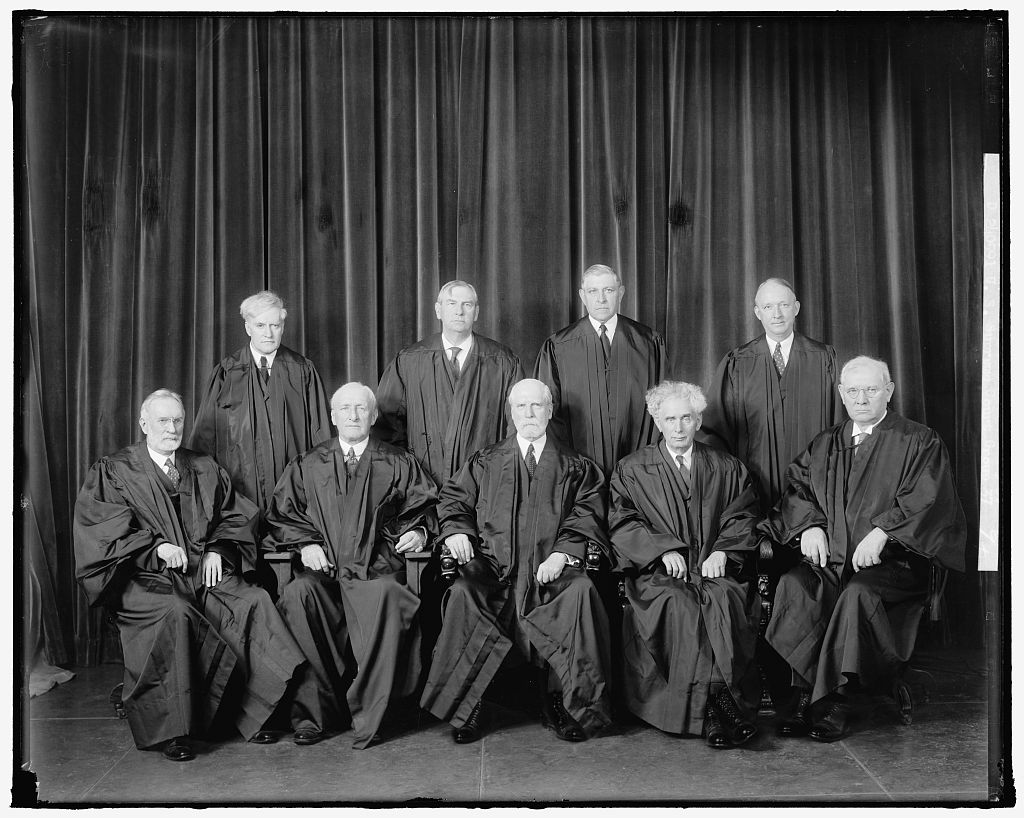
Judges have had to decide how far Congress’s taxing power reaches, when registration can force someone to incriminate themselves, and what the law means by a machine gun.
Read the court casesWhat changed in America?
The NFA changed how certain firearms could be made, sold, and owned. Later laws added restrictions that still shape the market today.
Read about the effects ↗Read the original documents
The chapters link to the statutes, court opinions, and agency records behind the story. Photographs link to their Library of Congress catalog entries.
Browse the sources ↗