In 1931, Al Capone received an eleven-year federal prison sentence for tax evasion. The government had found a charge it could prove under federal law, even though Chicago’s gang killings had made him notorious.
To understand why Congress would soon put a tax on machine guns, start with that gap: a criminal could be famous across the country and still fall outside Washington’s authority to prosecute the crimes people associated with him.
Sources for this passage 02
The business of bootlegging
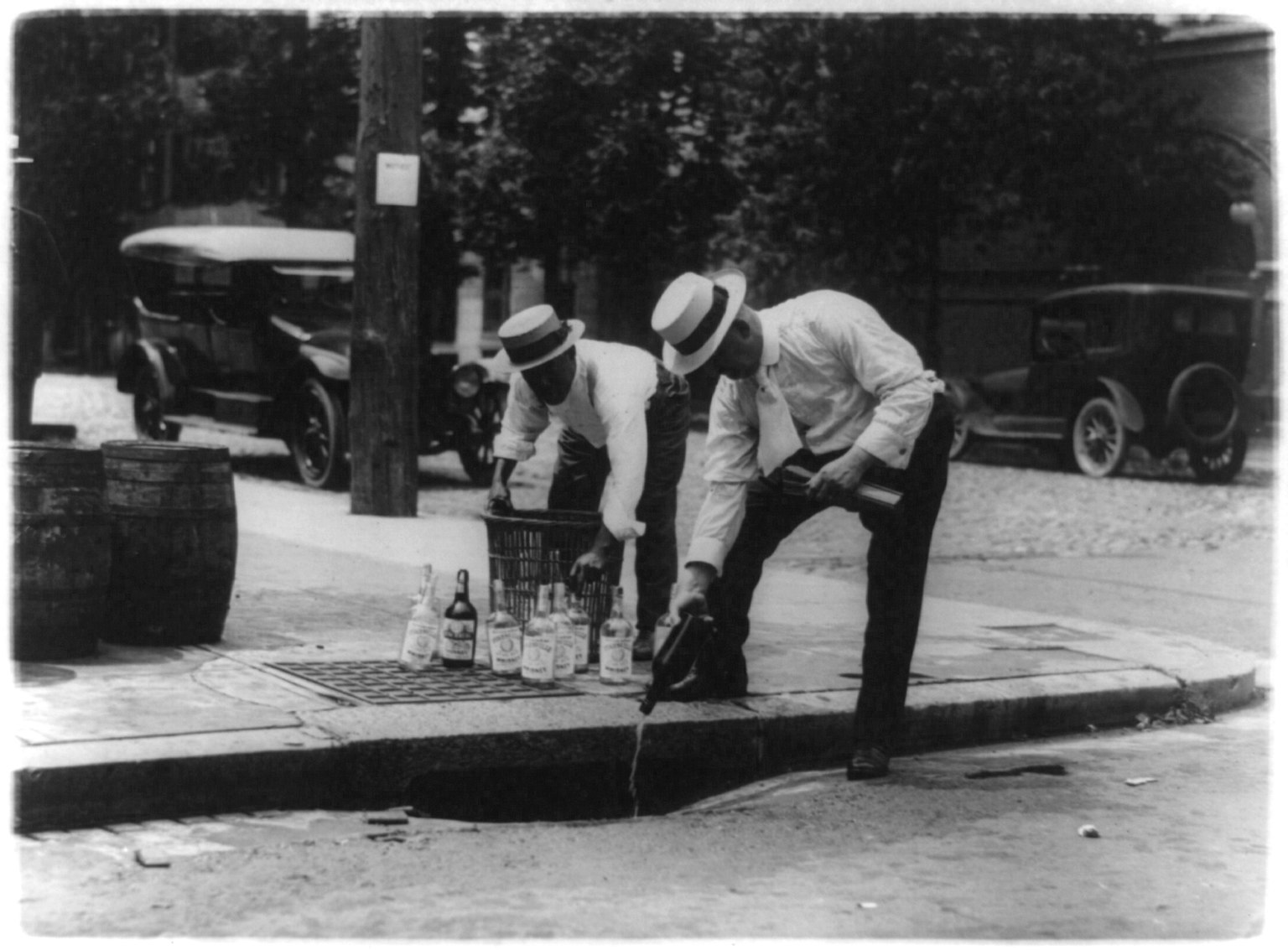
National Prohibition began in January 1920. The Eighteenth Amendment and the Volstead Act barred the manufacture, sale, and transportation of intoxicating liquor, though not every act of drinking. Temperance advocates had spent decades seeking this change. They blamed alcohol for poverty, broken families, and industrial accidents, and hoped national law would succeed where local restrictions had failed.
Demand for alcohol survived the ban. Illicit production, smuggling, and speakeasies supplied an illegal market. Enforcement meant policing businesses, roads, borders, and waterways across a vast country. The National Archives describes an effort that never had the resources or consistent local cooperation needed to close that market.
Bootlegging gave established criminal organizations another source of income. In Chicago, Capone rose within Johnny Torrio’s organization and took over in 1925. Liquor profits sat alongside gambling, prostitution, bribery, and protection rackets. Violence helped these businesses hold territory, punish rivals, and intimidate anyone who interfered.
A pistol in the mail
Congress had already found one way to restrict the firearms trade: the mail. A law approved on February 8, 1927 declared pistols, revolvers, and other concealable firearms nonmailable. Exceptions covered specified official uses and shipments between qualifying manufacturers and dealers. Knowingly violating the prohibition carried a criminal penalty.
The law controlled postal shipments; it created no national register of handgun owners. State laws still determined who could carry, buy, or possess a pistol. Federal restrictions developed through the powers Congress could exercise, alongside the rules enforced by states and cities.
Sources for this passage 01
Seven deaths in a Chicago garage
On February 14, 1929, gunmen posing as police killed seven members or associates of George “Bugs” Moran’s gang in a Chicago garage. The St. Valentine’s Day Massacre became an enduring image of gang violence. The FBI’s account says the killings were generally attributed to Capone’s organization, while Capone himself was in Florida. That attribution did not amount to a murder conviction.
Machine guns and shortened shotguns became associated with such violence. ATF’s historical account identifies Prohibition-era crime, including the massacre, as part of the impetus for the NFA. But notoriety was not enough to open a federal case. Investigators needed an offense they had authority to pursue.
Sources for this passage 02
What federal agents could charge
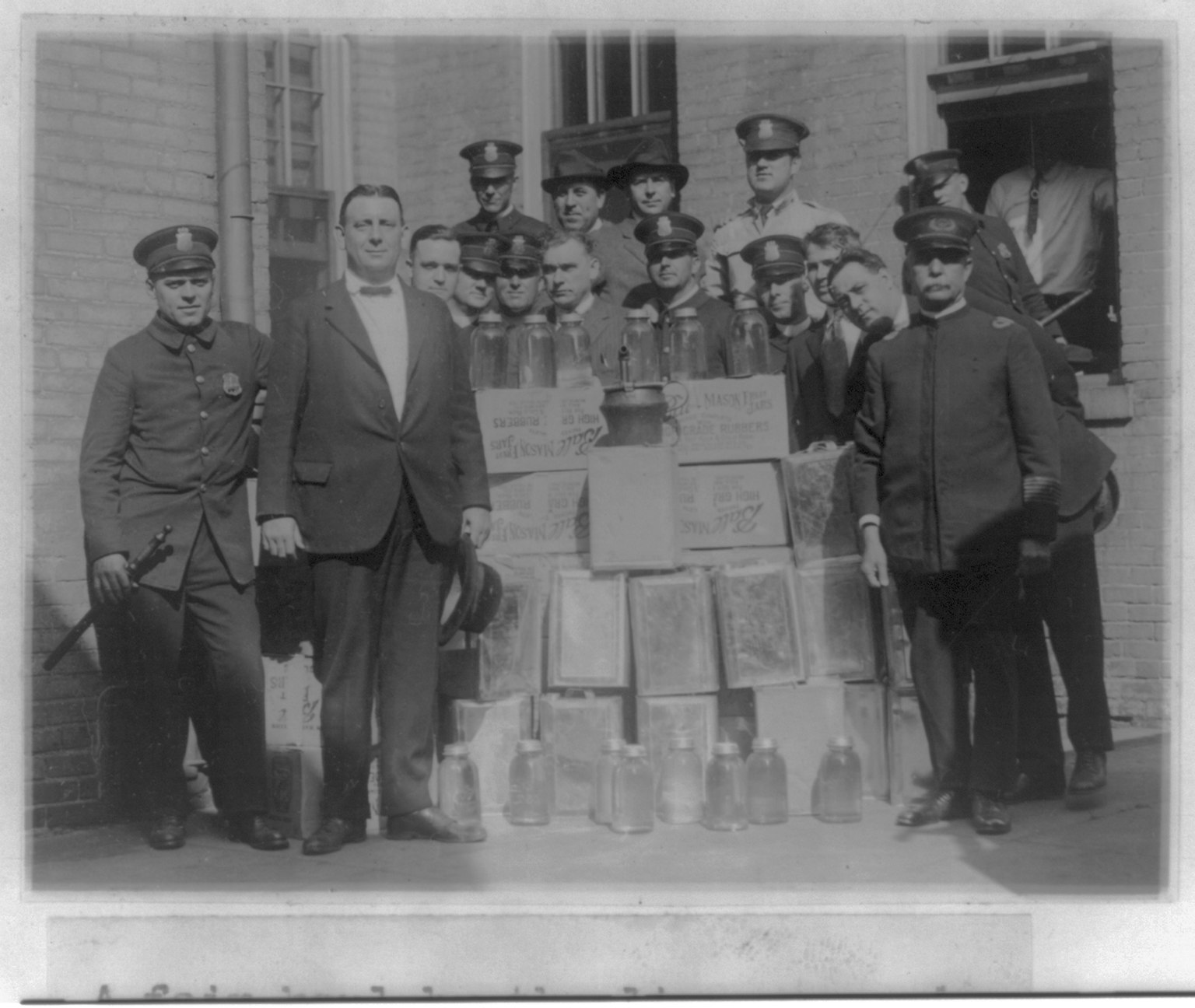
The Bureau of Investigation, the FBI’s predecessor, had a much narrower jurisdiction in the 1920s than it has today. Gang warfare generally belonged to state and local law enforcement. Federal investigators needed a federal offense and evidence to support it.
The Bureau investigated Capone’s failure to appear before a federal grand jury. Treasury investigators built the tax-evasion case that led to his conviction. Tax law gave them a route into federal court that Chicago’s gang killings had not.
The later NFA would use taxation to regulate transactions in selected weapons before those weapons were used in another crime. Its designers could draw on a familiar enforcement tool without claiming a general federal power to police local violence.
Sources for this passage 03
Kidnapping, ambush, and new federal powers
Other cases pushed Congress toward a larger federal role. The 1932 Lindbergh kidnapping led to federal kidnapping legislation. On June 17, 1933, an attempt to free prisoner Frank Nash outside Kansas City’s Union Station left Nash and four lawmen dead, including a Bureau agent. The attack strengthened the argument for giving federal investigators more authority.
In 1934, Congress gave Bureau agents statutory authority to carry firearms and make arrests and created new federal offenses. The NFA belonged to this broader crime legislation. Its taxes and records offered one way to pursue armed criminals; laws addressing kidnapping, interstate flight, and other crimes supplied others.
Sources for this passage 02
Repeal leaves a question for Congress
National Prohibition ended on December 5, 1933, with ratification of the Twenty-first Amendment. The NFA followed the next June. The liquor ban had gone, but criminal organizations and the pressure to act against them remained.
The failure to enforce Prohibition also gave opponents an argument against broad firearms controls. At the 1934 hearings, NRA representative Milton Reckord warned that burdens on ordinary pistol owners could produce widespread noncompliance, as the Volstead Act had. Supporters argued that responsible owners could accept inconvenience to protect the public. Prohibition’s lessons could be used on either side.