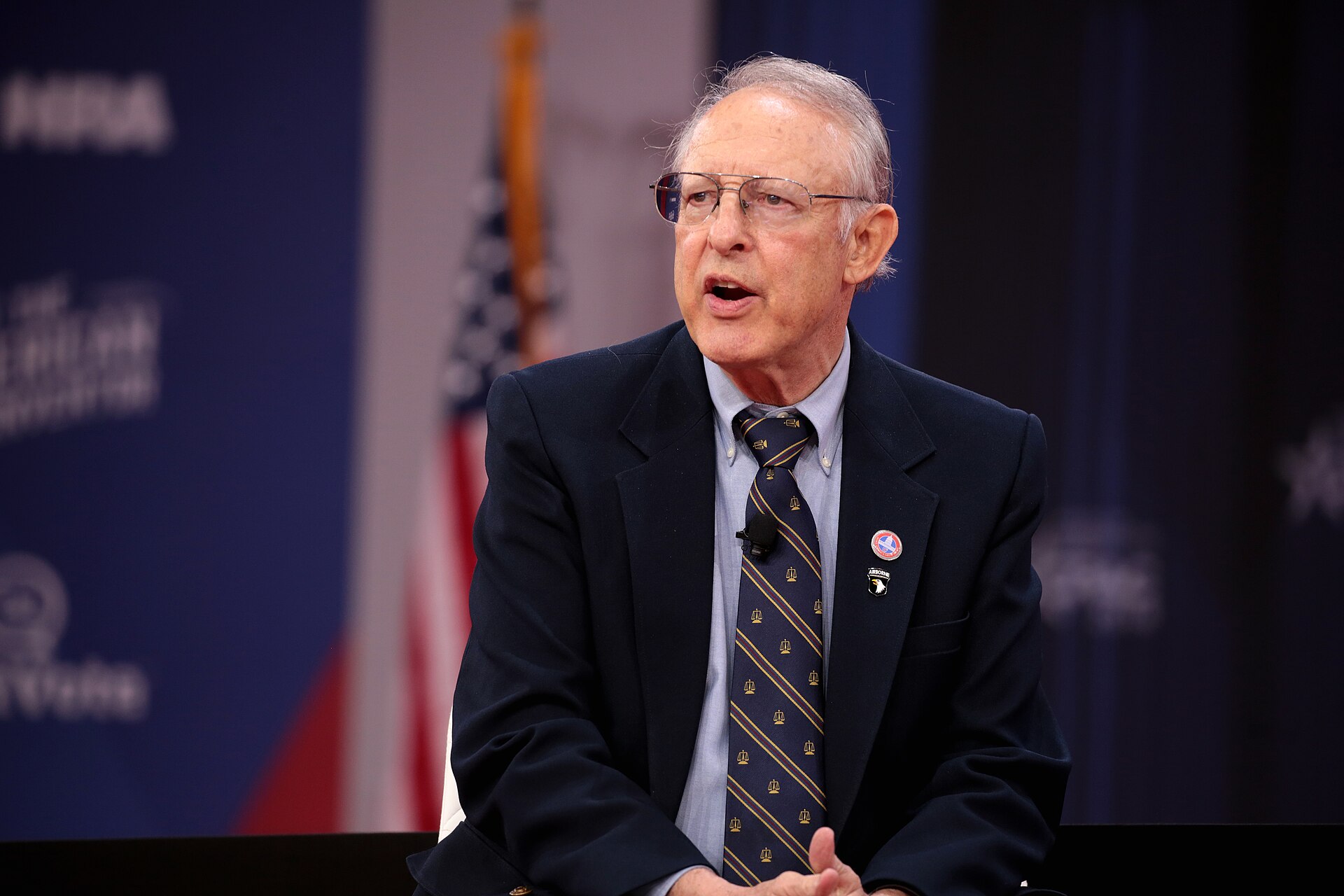

Dick Heller could carry a handgun at work as a special policeman in Washington, D.C. He could not register one to keep at home. His lawsuit asked the Supreme Court what the Second Amendment guaranteed an individual.
Sources for this passage 01
From Washington to Chicago
The District prohibited handgun registration. It also required lawfully owned firearms to be kept unloaded and disassembled or secured by a trigger lock. Heller challenged those restrictions.
In District of Columbia v. Heller in 2008, a five-justice majority recognized an individual Second Amendment right, including armed self-defense at home. Justice Antonin Scalia read the Amendment’s militia language as announcing a purpose rather than confining the right to militia service. Justice John Paul Stevens’s dissent disputed that reading. Justice Stephen Breyer separately argued that the District’s public-safety interests justified its law.
The majority described limits, including the historical restriction of dangerous and unusual weapons. Its discussion of United States v. Miller linked protected weapons to common lawful use. Those passages became central to later disputes over NFA firearms, although Heller itself concerned handgun rules.
Otis McDonald and other Chicago-area residents then challenged local handgun restrictions. Did the right recognized against the federal government also bind states and cities? In McDonald v. Chicago in 2010, the Court answered yes through the Fourteenth Amendment.
Sources for this passage 02
The paperwork goes online
Owners and dealers still dealt with forms, fingerprints, tax payments, and a wait for approval. ATF introduced eForms in August 2013. Its first electronic submissions included applications to make a firearm and transfers between qualified businesses. Electronic Form 4 applications, used for many transfers to individual owners and trusts, followed in December 2021.
The portal changed how applications reached ATF. Covered transfers still needed approval, and the statute still covered the same firearms. Applicants depended on the agency to process the paperwork before completing a transfer that required approval.
Sources for this passage 02
Whose fingerprints?
Before Rule 41F, individual applicants generally supplied photographs, fingerprints, and certification from a chief law-enforcement officer. Trusts and other legal entities did not face those same requirements. A 2009 petition from the National Firearms Act Trade and Collectors Association helped start a rulemaking to address the difference.
The proposal drew objections about cost, delay, and local officials who would not sign certifications. From July 13, 2016, the final rule required responsible persons in trusts and other entities to provide photographs, fingerprints, and identifying information. ATF described this as a way to apply background checks consistently.
The rule also replaced the local officer’s certification with notification. Applicants had to send the relevant materials, but no longer needed the official’s signature. Trusts remained available; the people who controlled their firearms faced additional identification requirements.
Sources for this passage 02
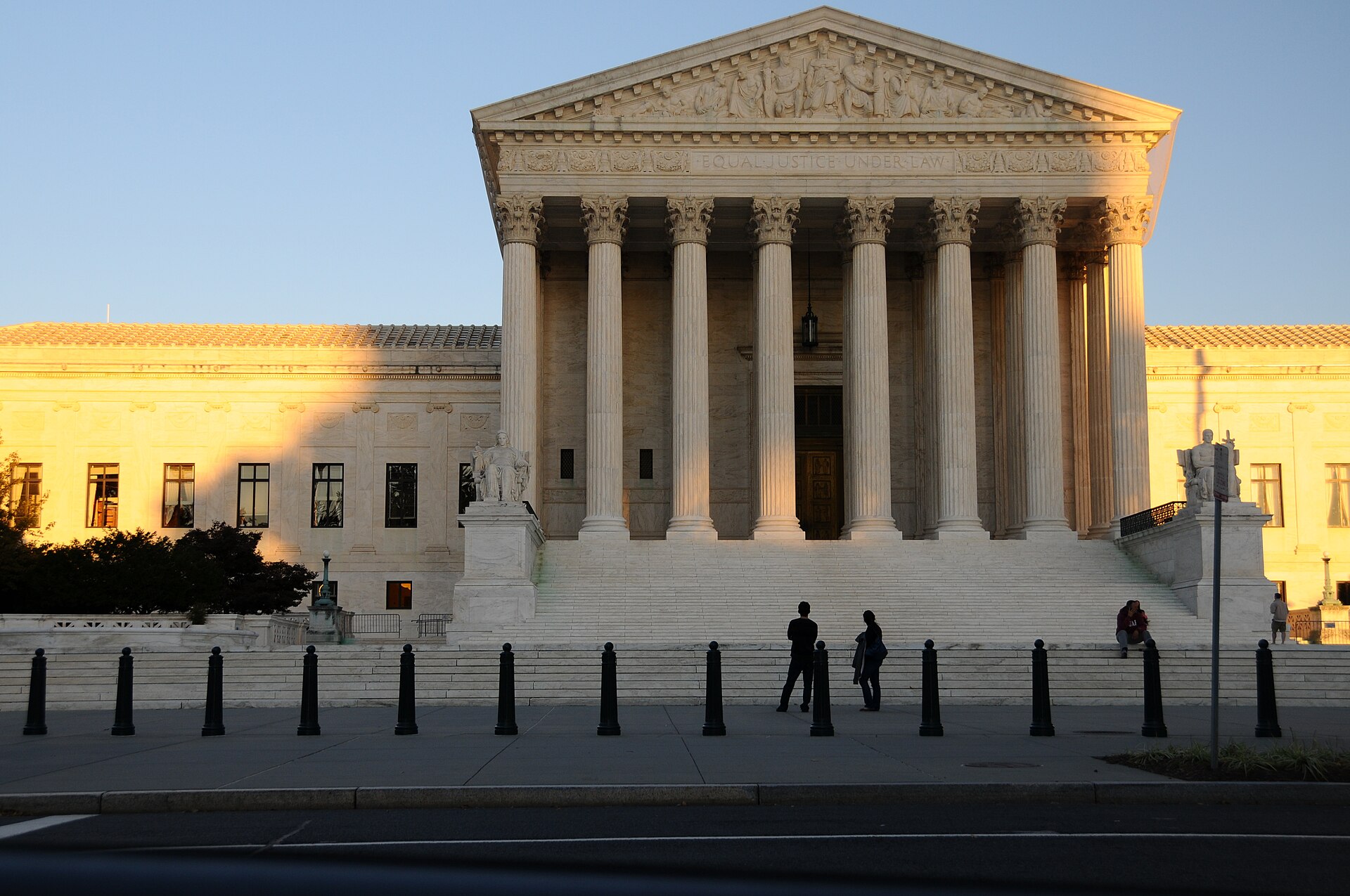

Two New Yorkers ask to carry handguns
Brandon Koch and Robert Nash wanted unrestricted licenses to carry handguns in public in New York. Officials rejected their applications because they had not shown a special need for protection beyond that of the general public. Their case reached the Supreme Court as New York State Rifle & Pistol Association v. Bruen.
In 2022, the Court struck down the requirement. It also rejected the approach lower courts had used to weigh a restriction’s burden against its public-safety benefits. When the Second Amendment’s text covered the conduct at issue, the government had to justify its law through the nation’s historical tradition of firearm regulation.
NFA challengers now had to establish that their conduct involved protected arms, then contest the government’s historical comparisons. A law’s asserted benefits could not by themselves settle the constitutional question.
Two years later, United States v. Rahimi clarified the comparison. The Court upheld temporary disarmament of someone a court had found to pose a credible threat to another person’s physical safety. Chief Justice John Roberts said the modern law needed a relevant historical analogue, not an identical predecessor. Neither Bruen nor Rahimi directly decided an NFA tax or registration challenge.
Sources for this passage 02
The fight over stabilizing braces
ATF’s 2023 stabilizing-brace rule added factors for deciding when a firearm fitted with a brace counted as a rifle. That classification could bring it within the NFA’s short-barreled-rifle category. Owners, manufacturers, and gun-rights organizations challenged the rule.
On June 13, 2024, the district court in Mock v. Garland set it aside under administrative law, finding defects in how ATF had adopted and justified it. The NFA’s statutory rifle definition remained in place. In May 2026, ATF proposed deleting the added regulatory language.
Sources for this passage 01
Cargill hands over two bump stocks, then sues
After the 2017 mass shooting in Las Vegas, ATF reconsidered its earlier treatment of bump stocks. Its 2018 rule classified them as machine guns and required owners to surrender or destroy them. Michael Cargill surrendered two under protest and sued, arguing that ATF had gone beyond Congress’s definition.
The Supreme Court agreed on June 14, 2024. In Garland v. Cargill, the majority focused on the requirement that a machine gun fire more than one shot automatically through a single function of the trigger. The bump stocks before it did not meet that definition. Justice Sonia Sotomayor’s dissent read the statute differently and argued that the majority’s interpretation frustrated its purpose.
The case turned on Congress’s words and ATF’s authority to interpret them. The Court did not decide a Second Amendment claim. Justice Samuel Alito, concurring, said Congress could amend the law to cover the devices.