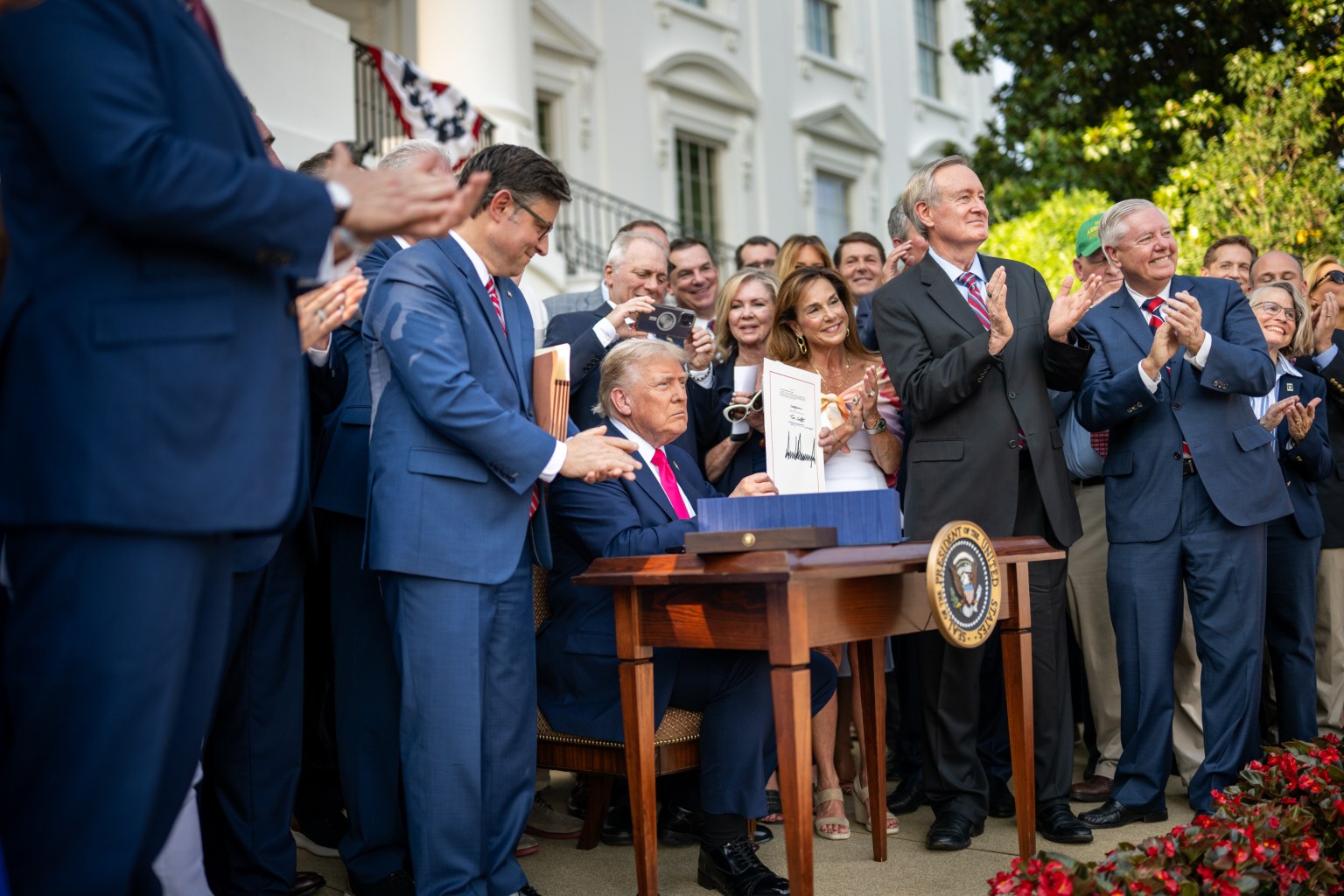
A prospective buyer joined organizations in federal court on the day President Donald Trump signed the 2025 tax cut. They argued that the NFA’s registration and approval requirements could no longer rest on a tax that, for most categories, would soon collect nothing.
Sources for this passage 02
The bill that changed on its way to the president
The 2025 debate began with proposals to remove firearms from NFA coverage. The House-passed H.R. 1 would have deleted silencers from the statute’s definition of a firearm and set their making and transfer taxes at zero. Removing a category would have changed more than the amount owners paid.
Senate budget procedure stood in the way. On June 27, Senate Finance Committee ranking member Ron Wyden announced that the parliamentarian had advised that provisions removing registration, background checks, and other restrictions violated the Byrd Rule. Keeping them in the reconciliation bill would have exposed them to a point of order requiring 60 votes to overcome. Wyden supported retaining those safeguards and argued that the policy changes did not belong in a budget bill.
The law that reached Trump changed tax rates. Registration remained in the statute. The difference between those two approaches became the central issue in the next round of litigation.
What the tax cut actually changed
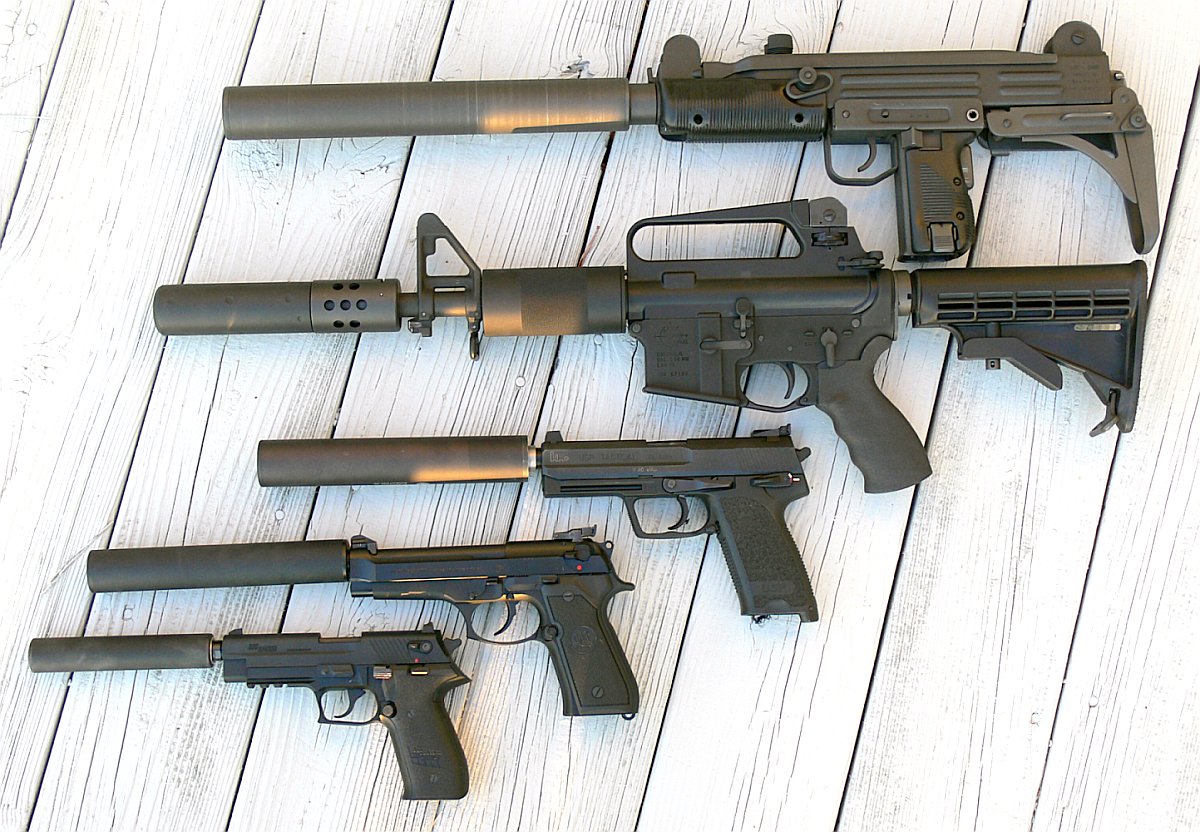
Public Law 119-21 became law on July 4, 2025. Section 70436 reduced making and transfer taxes to $0 for NFA firearms other than machine guns and destructive devices, starting January 1, 2026. Silencers, short-barreled rifles, short-barreled shotguns, and the statutory “any other weapon” category were included.
Previously, transferring an “any other weapon” had cost $5 in tax; making one had cost $200. Both rates became zero. Machine guns and destructive devices kept their $200 rates. Congress also kept the occupational taxes on NFA businesses, firearm definitions, registration provisions, and prior-approval requirements.
Sources for this passage 02
The argument behind the lawsuit
States later joined the organizations and prospective buyer challenging the law. Their argument returned to the NFA’s original design: Congress had relied on its taxing power to support registration and approval. Once a category’s tax raised no money, they argued, the surrounding requirements no longer served that constitutional purpose.
The government pointed to the occupational taxes businesses still paid and argued that registration helped enforce them. It also defended the requirements under Congress’s power over interstate commerce and the Necessary and Proper Clause. The plaintiffs separately raised Second Amendment claims about the burden on protected arms.
Sources for this passage 02
Two courts, two answers about silencers
Meanwhile, two criminal appeals produced opposing answers about whether silencers are protected arms. On June 3, 2026, the Ninth Circuit held in United States v. DeBorba that silencers fell outside the Second Amendment under its precedent. It rejected the defendant’s constitutional and vagueness challenges and upheld his convictions.
On June 18, the Fifth Circuit held in United States v. Comeaux that silencers were protected arms. It nevertheless upheld Brennan Comeaux’s registration conviction. Its earlier Peterson decision treated registration as presumptively lawful unless a challenger established abusive fees or delays. The panel said Comeaux had not made that showing.
Both defendants lost, despite the courts’ disagreement about protected arms. Neither decision resolved whether a zero-dollar tax could still support the NFA requirements.
Sources for this passage 02


A ruling for the plaintiffs
On August 5, 2026, Judge James Wesley Hendrix ruled in Silencer Shop Foundation v. ATF, consolidated with Jensen. He accepted the taxing-power challenge for the untaxed categories. He rejected the government’s alternative commerce-power defense, concluding that Congress had not invoked that power in enacting these NFA provisions. Because that ruling provided relief, he did not decide the Second Amendment claims.
The permanent injunction covered the plaintiffs and other people identified in the order, including specified members and customers. The details differed between the consolidated cases: the Jensen plaintiffs had not established standing to challenge the “any other weapon” category. The judgment was not a nationwide injunction protecting everyone.
Hendrix stayed the order for seven days, until August 12. An October 6 order in Brown v. ATF recorded that the government’s October 5 appeal deadline had passed without an appeal. The judgment was in effect. People outside its scope still needed to know how ATF would respond.
Sources for this passage 02
ATF takes nonenforcement nationwide
On October 9, DOJ and ATF answered. ATF announced nationwide nonenforcement of specified approval, registration, and related requirements for the $0-tax categories. Its open letter said 47 members of Congress had asked for nationwide treatment following the Texas decision.
ATF used enforcement discretion to extend the policy beyond those protected by the judgment. It continued accepting voluntary registrations. Congress had changed the tax rates, a court had granted an injunction, and the agency had changed enforcement. The statutory requirements remained in the U.S. Code.
Sources for this passage 02
The requirements that remain
Machine guns and destructive devices remain subject to NFA approval, registration, and $200 making and transfer taxes. The Gun Control Act still governs dealer background checks and transaction records. Businesses still owe applicable occupational taxes. ATF continues to require interstate approval for short-barreled rifles and shotguns, and state restrictions remain in place.
ATF’s FAQ, updated October 16, addresses what could happen if enforcement resumed. An unregistered item would have no automatic grandfathering, and an owner would have no guaranteed chance to register it afterward. An amnesty would be discretionary.
Further litigation remains pending. Brown v. ATF has a status conference scheduled for October 22. The plaintiff-maintained Roberts v. ATF tracker lists argument for October 20; we have not verified an outcome. This chapter reflects the record checked on October 20, 2026. The linked ATF guidance provides the agency’s current position.