About these links. As an Amazon Associate I earn from qualifying purchases. Links marked “paid link” may earn us a commission.
Each entry names a specific edition so you can find it at Amazon, a local bookshop, or your library. The publisher links have more about the books. These are starting points for further reading, not guides to current law.
01What happened before 1934?
Last Call
The Rise and Fall of Prohibition
Daniel Okrent
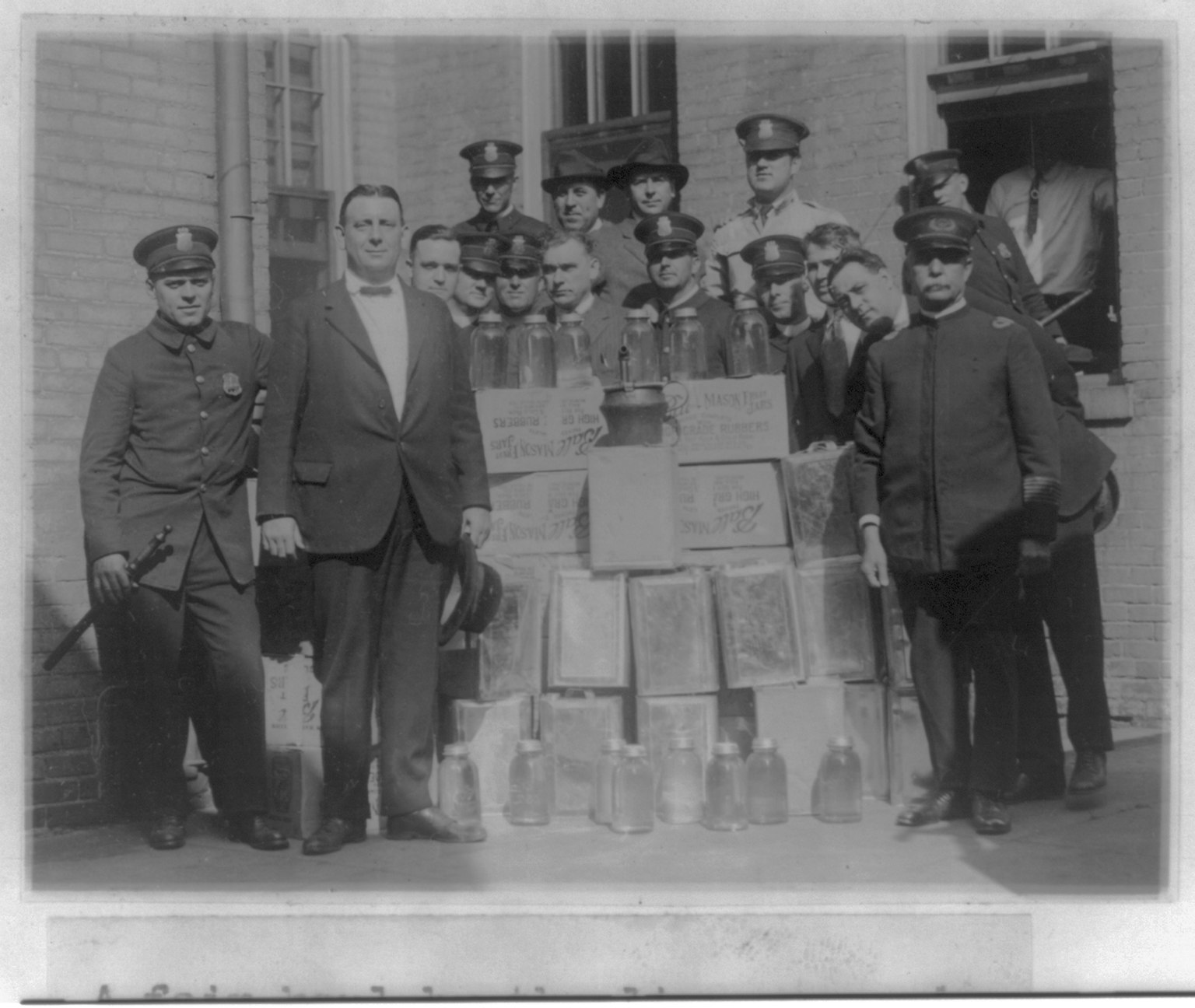
Before Congress taxed machine guns, it tried to stop Americans from drinking. Okrent follows the politics, bootlegging, and everyday workarounds of Prohibition. Start here for the country behind the NFA’s opening chapter.
The focus is Prohibition and the people who lived through it. The NFA story picks up where that era ends.
Trade paperback · Scribner · 2011 · ISBN 9780743277044
02Who were the people behind the crime headlines?
Public Enemies
America’s Greatest Crime Wave and the Birth of the FBI, 1933–34
Bryan Burrough
Dillinger, Bonnie and Clyde, and Hoover’s young FBI share the stage in Burrough’s account of 1933 and 1934. It follows the criminals and the federal agents pursuing them while Congress was debating the NFA.
This is a history of the crime wave and the FBI’s rise. For what Congress actually put into the NFA, follow the original bill and hearings on this site.
Paperback · Penguin Books · 2005 · ISBN 9780143035374
03How did gun rights reach the Supreme Court?
Gunfight
The Battle Over the Right to Bear Arms in America
Adam Winkler
What led to District of Columbia v. Heller? Winkler follows the people and arguments behind the 2008 case, then reaches back through American gun laws. A useful next step if the court cases interest you as much as the firearms.
Winkler offers his interpretation of that history. This 2013 edition predates Bruen and the cases that followed it.
Paperback · W. W. Norton · 2013 · ISBN 9780393345834
04What can research tell us about gun laws?
The Gun Debate
What Everyone Needs to Know
Philip J. Cook and Kristin A. Goss
Do gun laws reduce violence? Who owns guns, and why? Cook and Goss work through those questions in a question-and-answer format. Their assessment of the evidence offers a way into the arguments behind the numbers.
Published in 2020, this edition reflects the research and law of that period. It examines gun policy broadly; it does not isolate the NFA’s effects.
Second edition · Paperback · Oxford University Press · 2020 · ISBN 9780190073459
Read it free
Firearms and Violence: A Critical Review
Want to see how researchers weigh the evidence? This 2005 National Research Council report examines what the available studies could establish and where the evidence ran out. Read it as a record of the research at that time. The National Academies makes the full report available online.
Read the report free ↗The original laws and documents used on this site are free to read, too.
Books were selected for their connection to the chapters and the questions they raise. Descriptions draw on the publishers’ summaries and contents; they are not full book reviews. How book links work.